Dogs on the Trail: Adirondack Rules and Realities
A plain guide to bringing a dog into the southern Adirondacks and Lake George: leashes, trail rules, water, wildlife, winter, and trip planning.
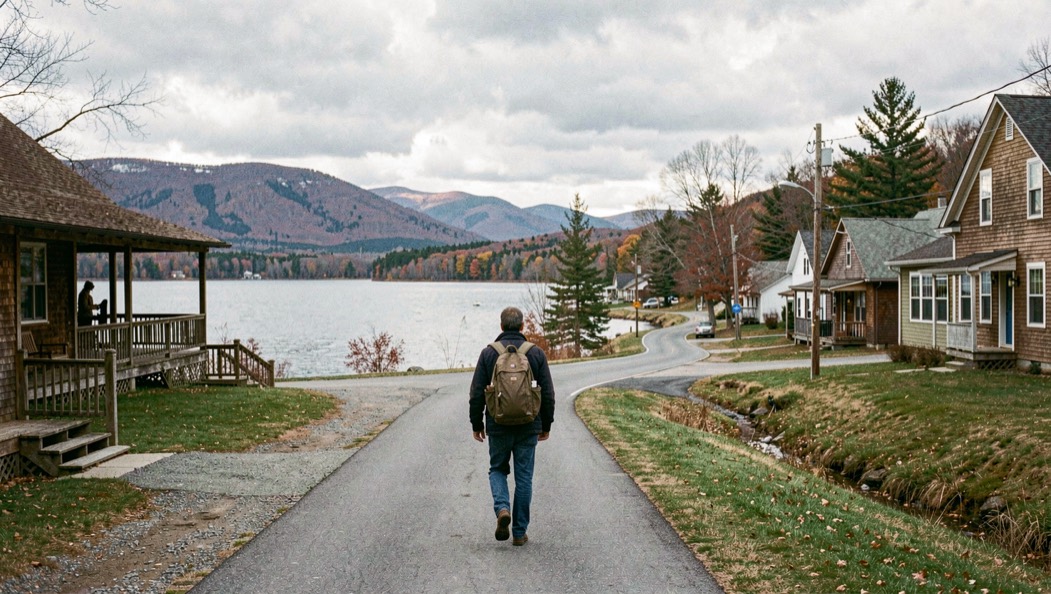
Dogs are welcome on many trails and in many public areas around Lake George and the southern Adirondacks, but almost nowhere without conditions. The rules change by landowner: state Forest Preserve, town parks, and private campgrounds each set their own leash and access policies. The practical answer is to check the specific unit before you drive, carry a six foot leash, and plan water and shade for the dog as carefully as you plan them for yourself.
What the Forest Preserve Actually Requires
On New York State Forest Preserve lands in the Adirondack Park, dogs must be under the control of the owner or handler at all times. In practice that means a leash in most developed areas, trailheads, campgrounds, and anywhere other people are present. The Department of Environmental Conservation lists the specifics unit by unit, and the rules are not identical across the Park. Some areas close to swimming beaches restrict dogs entirely during the summer season. Others allow them on leash only. A few backcountry zones expect voice control, but voice control is a poor bet on a busy Saturday in July.
Campgrounds run by the state generally allow dogs on leash, with limits on how many per site and where they may go. Beaches, picnic areas, and nature trails inside those campgrounds are often off limits to dogs. Town parks around Lake George vary widely. Some allow leashed dogs on the perimeter paths and not on the sand. The village beach at Lake George is not a dog beach. If a swim is the point of the day, look for a designated dog area rather than assuming any shoreline will do.
For travelers building a longer route through the Northeast, the same questions come up in every state and province: where a dog can sleep, eat outdoors, and walk. A French language blog on travel in the United States and Canada, Voyageurs Audacieux, covers itineraries and planning for that kind of trip, including how to compare stops and check conditions before committing to a dated plan. The habit of verifying each stop rather than trusting a general rule is the one that saves a trip.
Do Dogs Need to Be Leashed on Adirondack Trails?
Yes, on most trails that see regular public use, and the leash should be short. A retractable lead is not a leash in the sense the rules mean. It gives the dog twenty feet of slack and almost no control, which is exactly the situation a regulation is written to prevent.
The reasons are concrete. Porcupines are common in the southern Adirondacks, and a dog that investigates one comes back with a face full of quills and a trip to a veterinarian in Glens Falls or Ticonderoga. Rattlesnakes occur in some rocky low elevation areas, though they are not everywhere. Deer, bear, and coyote encounters are rare but real. Other hikers with dogs may have a reactive animal, and an off leash approach turns a quiet walk into a problem for two parties.
Leash rules also protect the trail itself. Dogs cutting switchbacks erode soils that take years to recover. In the High Peaks the state asks hikers to keep dogs on the hardened path, and in some sensitive alpine zones dogs are prohibited outright.
Water, Heat, and the Mud Season Problem
A dog on an Adirondack trail in July needs more water than most owners carry. Plan on a liter for a medium dog on a warm day, more on exposed rock. Streams and lakes look inviting, but surface water in the backcountry can carry giardia and other organisms. Carry a bowl and offer treated or carried water rather than letting the dog drink from every pool.
Heat is the bigger risk. The granite slabs on many southern Adirondack summits hold heat and reflect it. A dog's pads burn on rock that is uncomfortable to a bare hand. Walk early, finish early, and test the rock with your palm before asking the dog to cross it.
Mud season, roughly late March into May, is hard on trails and hard on dogs. The soils are saturated, the grades are slick, and the damage done by feet and paws in that window lasts. Many land managers ask hikers to stay off high elevation trails during the spring thaw. That advice applies doubly to dogs, who cannot be told to step on the durable surfaces.
What About Winter and Cold Weather Walks?
Winter is workable for many dogs and miserable for some. The southern Adirondacks see single digit temperatures and deep snow from December into March. Short coated breeds need a coat. Paws need protection from ice, from road salt, and from the crusted snow that cuts pads. Boots are awkward for the first mile and useful after that.
Lake George freezes in most winters, but ice near inlets and outlets is unreliable. A dog that goes through is a rescue problem, not a story. Keep dogs off the ice unless you know the local conditions and have spoken to someone who was out that day.
Trails in winter are often packed by snowshoes and skis. A dog postholing through a groomed track ruins it for everyone behind. On groomed cross country ski trails, dogs are commonly prohibited. On snowmobile trails, they are a hazard to themselves and to riders. The safe winter walk is usually a plowed logging road or a town park path.
Where Do Dogs Sleep and Eat on a Lake George Trip?
Lodging is the tightest constraint. Many motels and inns in the Lake George area do not accept dogs, and those that do often limit size or charge a per night fee. Campgrounds are more flexible, but state campground reservations fill early for summer weekends. Book the site before you book anything else.
Restaurants with outdoor seating are usually fine with a leashed dog at the table, though the decision is the establishment's and not a right. The village of Lake George has a walkable strip where a dog can wait while one person goes inside for coffee. Leaving a dog in a parked car in July is not an option, even with the windows down.
Veterinary care is available in Glens Falls, Queensbury, and Ticonderoga. Save the number before the trip. The nearest emergency clinic for a serious injury may be further than you expect.
How Should You Plan a Dog Friendly Trip?
Pick the land first, then the lodging, then the trail. Read the specific unit's rules on the DEC website rather than a general summary. Carry a leash, a bowl, water, waste bags, and a basic first aid kit with tweezers for porcupine quills. Keep the dog on the durable path. Pack out what the dog leaves behind, including on snow.
Build in a rest day. A dog that hikes three consecutive days in the Adirondacks will be sore, and a sore dog on a rocky descent is a hazard. Shorter days with more water and more shade beat long days with a schedule to keep.
If the trip is part of a longer drive through the Northeast, treat each stop as its own set of rules. State parks, national forests, and Canadian provincial parks all differ, and the differences matter more for a dog than for a person. The planning habit that works is the same one that works for any road trip: verify the specific place, on the day, and keep the plan adjustable.