Virtual Upstate
Adirondacks
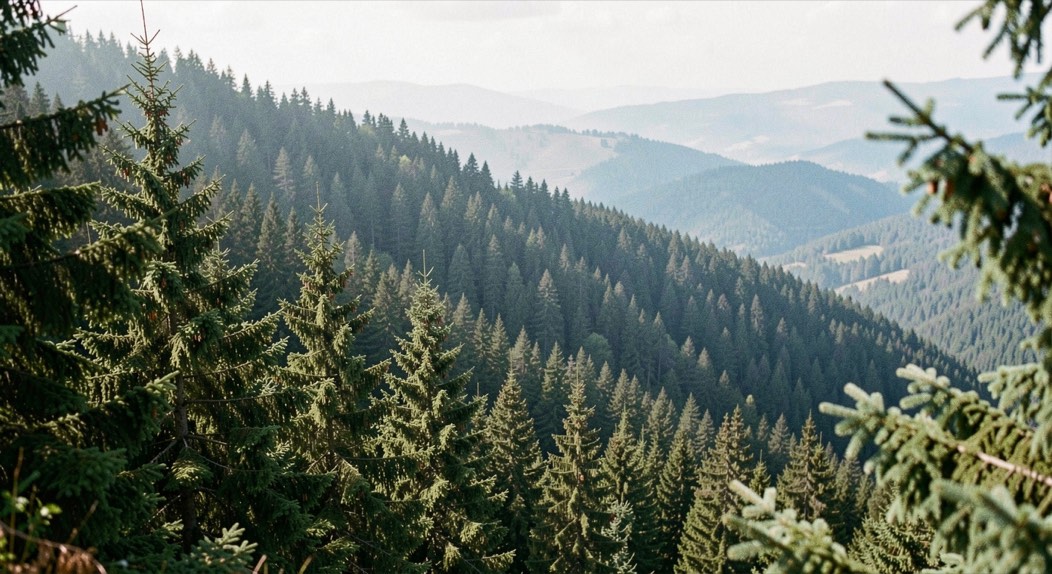
West and north of the lake, the ground stands up and keeps going for six million acres, most of it constitutionally protected forest preserve since the 1890s. The park is not a gated preserve but a lived-in mosaic, hamlets with snowplows and feed stores folded permanently into wild country, which is exactly why it rewards readers who understand its terms before buying boots.
Our pieces here stay deliberately introductory without dumbing anything down. The famous forty-six high peaks list gets its full story, including why an outdated survey became sacred text. The shelter architecture of the great camps gets read like a book, and the pond wildlife gets the patient description it earns.
Standing advice for any park itinerary appears across the desk: start lower than pride suggests, finish earlier than weather permits, and keep the field-craft notes handy.
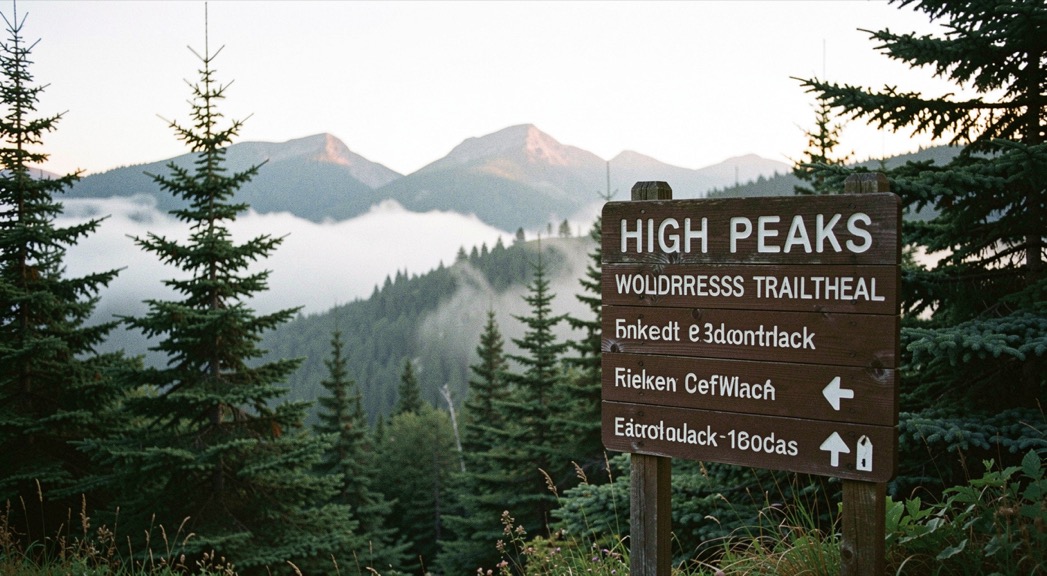
Field Almanac for Hunters and Anglers
A field almanac for hunters and anglers covers dove flight lines, bobwhite coveys, Nushagak salmon runs, and the desk method that keeps records straight.
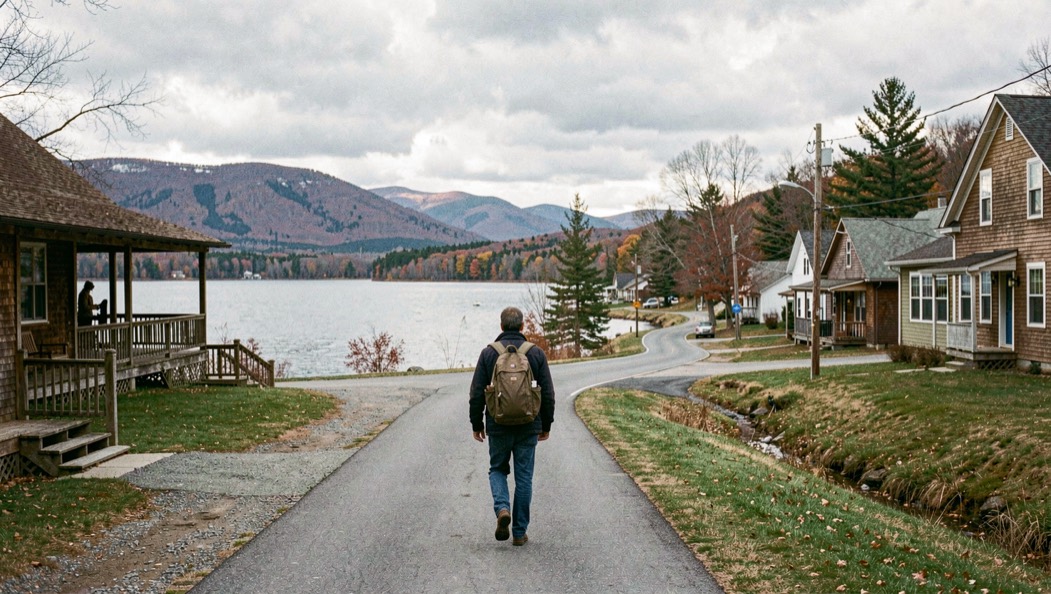
Dogs on the Trail: Adirondack Rules and Realities
A plain guide to bringing a dog into the southern Adirondacks and Lake George: leashes, trail rules, water, wildlife, winter, and trip planning.
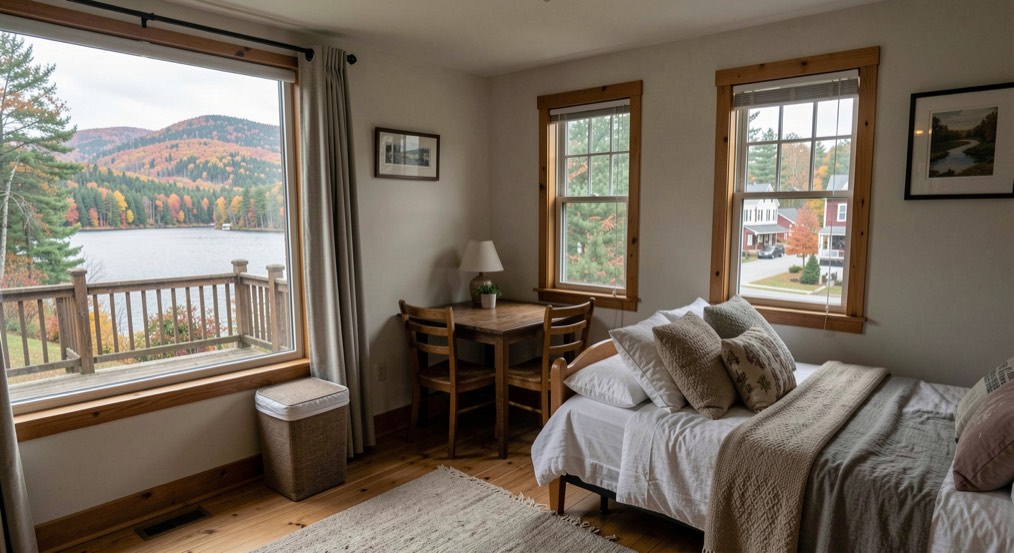
How the Great Camps Taught Wood to Pose
The signature Adirondack building does not fight the forest; it auditions it. Bark sheeting, root-rail balustrades, and fireplaces you could park a wagon in.
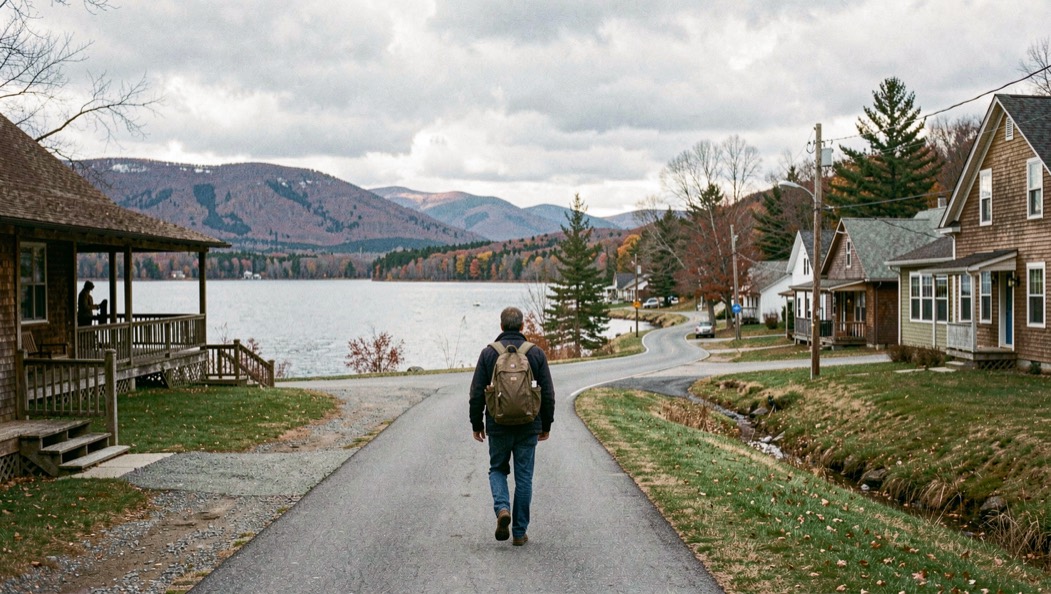
Loons, Herons, and the Patience of Northern Water
Two birds organize a whole regions pondlife calendar: the loon as its voice, the heron as its statue. Knowing a little of each doubles any quiet morning.
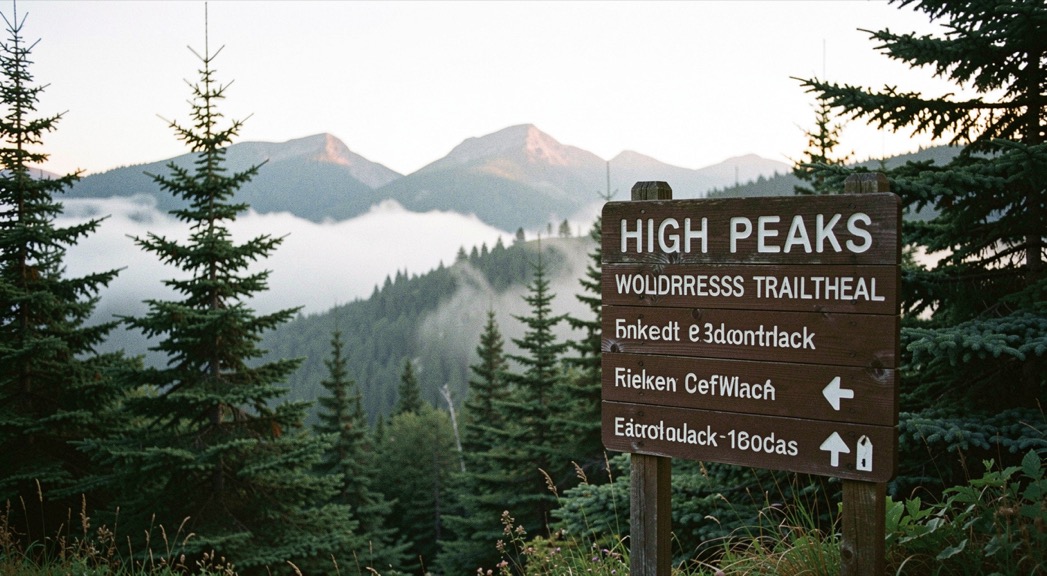
What the Forty-Six High Peaks Really Mean
It started as an optimistic barometer reading in 1925 and became the most patient membership drive in American hiking.
When routes depend on season, cross-check the timing pieces collected in Four Seasons, and consult the reference links kept current under Region Links before trusting any online map too far into the woods.
Other desks
- Lake George
Water, boats, shoreline porches and the village calendar.
- Four Seasons
Timing arguments for every quarter of the year.
- Town Life
Civic clubs, working streets, wellness heritage, housing.
- Trip Guides
Restored planning guides: staying, eating, trusted sources.
- Field Notes
Dated journal entries from the water and the trails.