Field Almanac for Hunters and Anglers
A field almanac for hunters and anglers covers dove flight lines, bobwhite coveys, Nushagak salmon runs, and the desk method that keeps records straight.
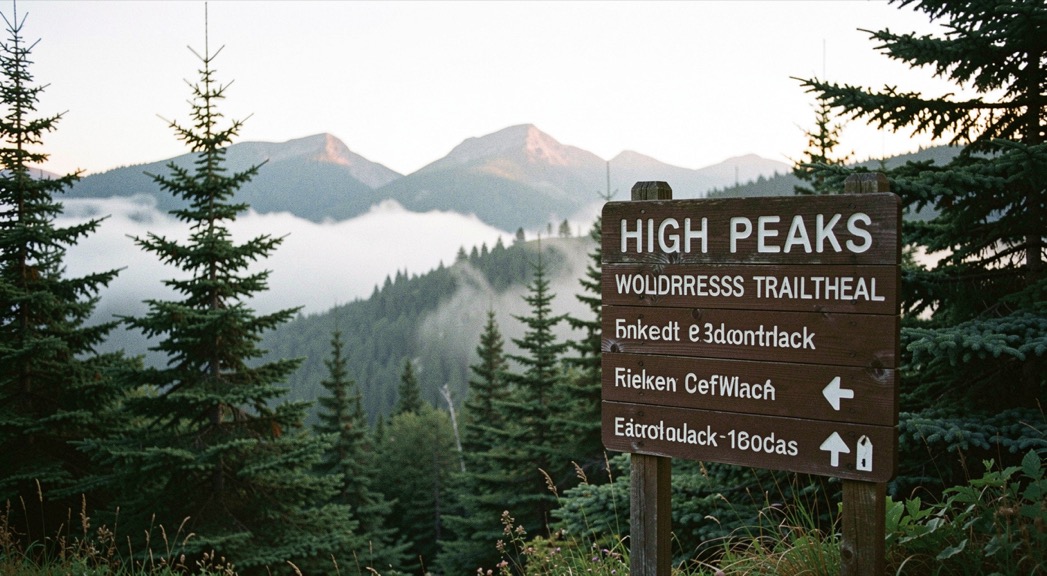
A field almanac for hunters and anglers is a working record, not a souvenir. It tracks dove flight lines, bobwhite covey counts, Nushagak sonar numbers, and the desk rules that keep a season from blurring into the next. The point is to know what happened, when, and under what conditions, so the next trip starts from evidence instead of memory.
What does a field almanac for hunters and anglers actually contain?
A field almanac for hunters and anglers holds three kinds of entries. The first is brush country: dove flight lines, bobwhite covey covers, water points, rain and nesting, roadside counts, abundance cycles, and opening dates. The second is the Nushagak drainage and Bristol Bay: five species of Pacific salmon, run timing, sonar counts, tides and currents, and peak-season management. The third is the desk method: work rules, a reading log, source documents, and a correction trail.
That structure is not decorative. It is how a reader in south Texas can compare a dry spring to a wet one, or how an Alaska salmon reader can see whether a sonar count is early, late, or on time. The field almanac hunters and anglers use is built to be checked, not admired.
How do you read a dove flight line without guessing?
A dove flight line is a repeated path, not a random sighting. You find it by standing still at the same hour on three or four evenings and marking where birds cross a fence line, a tree row, or a gap between ponds. The almanac entry should note wind direction, cloud cover, and whether the birds were feeding, loafing, or moving to water.
Bobwhite coveys are different. They are heard more often than seen, and a covey call at dusk tells you where the birds went to roost. A roadside count in the morning is a separate number. Keep them separate. A covey heard at dusk is not the same as a covey counted at dawn, and mixing the two makes the abundance cycle look stronger or weaker than it is.
Water points matter in dry years. A windmill tank, a stock pond, a leaky trough: these are the places where doves and quail concentrate when the rain stops. If you note the water point and the rain gauge in the same entry, you can later see whether a poor hatch followed a dry June or a late freeze.
What does the Nushagak sonar count tell a salmon angler?
The Nushagak sonar count is an estimate of salmon passing a fixed point, not a promise. It tells you how many fish have gone upstream by a certain date, and it is compared to previous years to see whether the run is early, late, or within the usual band. Five species of Pacific salmon move through Bristol Bay on different clocks: kings first, then sockeye, chum, pink, and coho in overlapping waves.
Tides and currents decide where a boat can sit and where a line can swing. In the bay, a tide change can move fish past a point in an hour. In the river, a rising tide can push water upstream and change how a lure swims. The almanac entry should record the tide stage, the current direction, and the sonar number for that day. Without those three, a good day looks like luck and a bad day looks like bad luck.
Peak-season management is the other half. When the sonar count hits a threshold, openings and closures can change. A reader who tracks the count and the regulation together can see why a season was extended or cut short. That is the difference between fishing a memory and fishing a calendar.
How do you keep a desk method that survives a season?
A desk method is a set of rules you follow after the trip, not during it. The first rule is to write the entry the same day. The second is to use the same headings every time: date, location, weather, water, count, notes. The third is to keep a reading log of what you consulted, whether it was a regulation pamphlet, a sonar report, or a county rain summary.
Source documents go in a folder, not in your head. If you cite a count, keep the page or the file. If you correct an earlier entry, write the correction in the margin with the date. A correction trail is not an admission of failure. It is the only way to know whether your counts are getting better or just getting more confident.
Work rules are simple. No entry without a date. No count without a method. No method without a source. Those three rules will not make you a better shot or a better caster, but they will make your records usable next year.
What changes from the brush country to Bristol Bay?
The brush country is a place of heat, dust, and scattered water. The birds are resident or migratory, and the season is measured in weekends. Bristol Bay is a place of cold water, big tides, and fish that arrive on a schedule set by the ocean. The seasons are measured in weeks, and the management is measured in numbers.
What stays the same is the habit of writing it down. A dove flight line noted in August is useful in November. A sonar count noted in July is useful in September. A desk method noted in January is useful in December. The almanac is not a trophy case. It is a tool that gets sharper with use.
Where does a reader start?
Start with one page. Pick a single covey, a single water point, or a single sonar station. Write the date, the weather, and what you saw. Do it again next week. After a month, you will have a line, not a point. After a season, you will have a pattern.
The pattern is the point. A field almanac for hunters and anglers is not a list of good days. It is a record of conditions, so that a good day can be recognized when it comes again, and a bad day can be explained without superstition. That is the whole method: observe, record, compare, correct. Everything else is scenery.