Moving to Marseille: Your First Month With a Car
Newcomers to Marseille learn the city through the car: hills, tight parking and a first dent. Here is how to handle the first month, and the first repair quote.
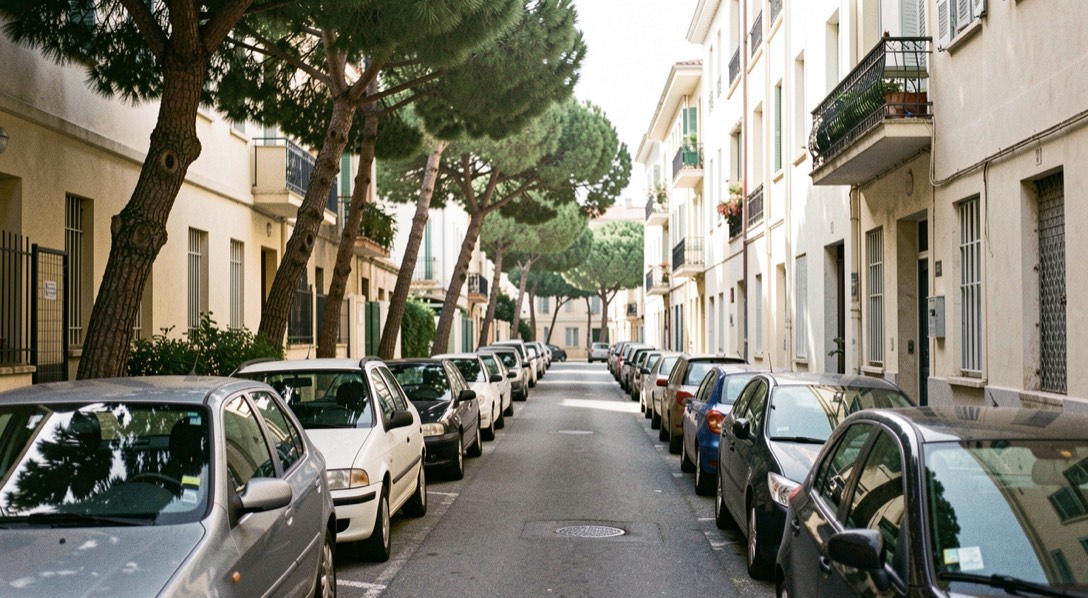
If you move to Marseille and bring a car, the first month will be spent learning where it can sleep. The city is large, hilly and dense, and the east side, the neighborhoods that climb away from the Huveaune valley, rewards drivers who plan their parking before they plan their weekends. A first small dent is likely, and how you respond to it says a lot about how quickly you settle in.
This is a guide for people who are weighing a move, as many of our readers in Glens Falls and the Adirondacks do when they ask what settling somewhere new really involves; our real estate guide covers the local side of that question. The paperwork gets most of the attention. The daily habits, how you park, when you drive, what you photograph, decide how the move feels.
What do you do after the first scratch or dent?
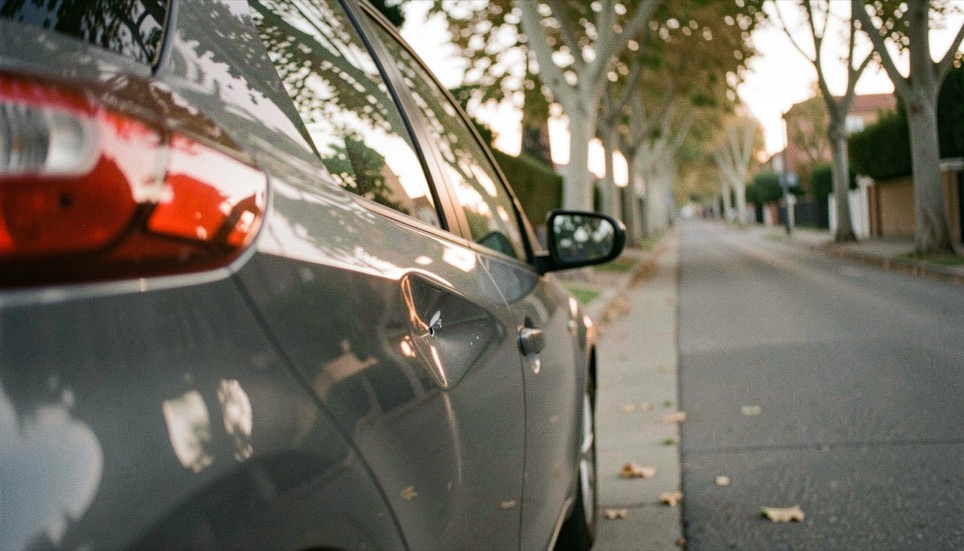
First, document it. Photograph the car as a whole, from a few steps back, then the damage up close, then the same area from the side with the light low, which makes dents and creases visible. A date and a place in the photo's metadata help later. If another car is involved, fill in the joint accident report the French call a constat amiable with the other driver, and photograph the form before anyone leaves.
Second, decide whether the damage is worth an insurance claim. For minor scratches and bumper scuffs, the repair is often smaller than the excess on a policy, so the first job is to get a quote. In the east of the city, an east Marseille body shop works from photos: you send a few pictures of the damage, it calls back, and the quote is free and carries no obligation. Its site is in French, and it names the 10th, 11th and 12th arrondissements as its area.
A quote on its own is not a decision. Compare it with the excess, with the age of the car, and with how long you plan to keep it. If you do file a claim, the insurer will want the photos, the quote and the accident report in one place, so keep a folder for each incident.
Which photos make a repair quote easier?
Three are enough for a first estimate: a wide view of the whole car on the damaged side, a close view of the damage, and a side view with low light that shows any dent. Take them outdoors in even light, not at noon with strong reflections, and avoid dirt on the panel by wiping it first. If the bumper is cracked, a view of the inside, when you can see it, tells the repairer about broken clips and mounts.
Add the make, model and year in your message, and say honestly whether the car still drives normally. Honest information gets a more accurate quote, and a repairer who can see a hidden problem will tell you before the work starts, not after.
What is it like to drive in Marseille as a newcomer?
Busy, and more orderly than its reputation suggests once you know the rhythm. Marseille is France's second city by population, spread over sixteen arrondissements, and the traffic follows the shape of the land: big roads along the valleys, small streets climbing the hills between them. Rush hours are long, the ring roads fill early, and a short trip can take twice as long as the map suggests.
Give yourself a trial month before you decide how much the car will do. Drive the same two or three routes at different hours, learn which junctions back up, and note the places where a lane suddenly ends. Local drivers are quick and close, and a firm, predictable style works better than a timid one. Anyone who has driven the lake roads in the snow, as described in our winter in the north country piece, knows the value of distance. Keep your distance, signal early, and avoid the habit of stopping mid-street to read a map. Use the phone's navigation with the sound on.
Where do you park on steep, narrow streets?
Carefully, and facing the right way. On a slope, turn the wheels toward the curb when you face downhill and away from it when you face uphill, and leave the car in gear or in park. Fold in the mirrors on streets where delivery vans pass. Many newcomers lose a mirror in their first week to a van that was simply too wide for the street, and the damage is always on the side you were not watching.
Residential neighborhoods in the east of the city, the 10th, 11th and 12th arrondissements, mix houses, small apartment blocks and light industry along the Huveaune. Parking there is usually easier than in the center, but the streets can be tight and the evening crowd arrives all at once. If your building has a private space, rent it. If not, learn the hours when the street empties, and park at the end of a row, where one side is a wall rather than another car.
What else should a newcomer sort out in month one?
Insurance first. Check that your policy is valid in France, that the named drivers are right, and that the car is covered where it sleeps at night. Then registration and the technical inspection, both of which follow national and local rules that change from time to time, so check with the official administration, not with a magazine. Keep a paper file of the car's papers in a safe place, with copies on your phone.
Next, find a regular garage for servicing, tires and the unexpected. Ask neighbors, colleagues and the people at the nearest market. A recommendation from someone who parks on the same street is worth more than an online rating. Then map the basics: the nearest fuel station open late, a car wash, an under-cover car park for hail or heavy rain, and the quickest route to the motorway junction.
Finally, accept that a city car in a dense city collects marks. A scratch is not a verdict on your driving, and a calm routine, photograph, quote, compare, decide, keeps a small incident small. After a month you will know the streets by their gradients, and the car will carry a few honest signs of the move.
A short list for the first month
Drive your regular routes at different hours. Choose a parking habit and keep it. Fold the mirrors on narrow streets. Keep a blank accident report in the glove box. Photograph the car once a month, clean, in daylight, so you have a baseline. And keep a short list of people to call: your insurer, a garage, and a neighbor who knows the street.