Sleeping in Sitges: A Practical Guide
Where to stay in Sitges by area, trip type and season, from the old town and the seafront promenade to the northern edge of town.
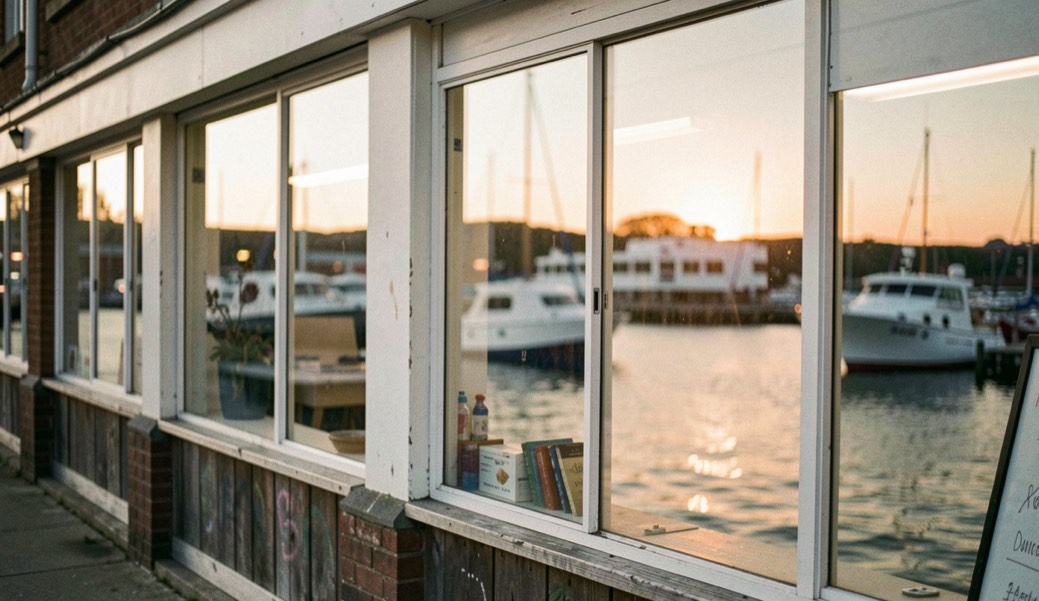
Sitges has three lodging zones that behave differently: the casco antiguo, the paseo maritimo and the zona norte. The old town puts you inside the narrow streets near the church and the museums; the promenade puts you on the sand side of the same town; the northern zone trades closeness for quiet and, often, lower rates. Which one suits you depends on how you plan to move around and how much you intend to walk.
Where to sleep in Sitges: centro, paseo maritimo or zona norte?
The centro is the casco antiguo, the compact grid of whitewashed streets around the iglesia de Sant Bartomeu. Staying here means stairs, small lobbies and rooms that open onto a lane rather than a view. It also means you can leave your room and be at Cau Ferrat, Maricel or a plaza table in a few minutes. Light sleepers should note that the same streets carry the nightlife, and a room over a bar in July is a room over a bar in July.
The paseo maritimo runs along the beachfront, and the hotels and apartments here face the water or the promenade itself. This is the choice for travelers who want the sea in the frame, who plan to swim in the morning and eat within sight of the sand. It is also the busiest strip in high season, and the promenade is a working pedestrian route, not a silent one.
The zona norte sits north of the center, toward the quieter end of the seafront and beyond. It holds larger properties, more space per room and a calmer night. The trade is distance: you will walk or take a local bus into the old town for dinner and back afterward. For a longer stay, a family trip or anyone with a car, that trade often reads as an advantage. For a two-night visit built around the casco antiguo, it usually does not.
If you are still weighing the three areas against each other, a Spanish-language guide to where to sleep in Sitges breaks the town down by zone, lodging type and season, and it is written for travelers arriving from Barcelona for a short or extended stay.
What kind of lodging should you choose in Sitges for your trip?
Match the property to the shape of the trip, not to the photographs.
A short break of two or three nights, built around the old town and the museums, works best with a small hotel or a guesthouse in the centro. You will not use a kitchen, you will not use a pool, and you will be out from morning until late. Pay for location and skip the amenities.
A week or more, especially with children, shifts the balance. Apartments and larger hotels in the zona norte or at the northern end of the promenade give you room to spread out, a place to eat breakfast without a restaurant bill, and a base that does not require navigating the old town streets with a stroller or a suitcase every day.
A couple's weekend in spring or autumn can go either way. The promenade properties are at their best in those months: the beach is walkable, the terraces are open, and the noise level is nothing like August. The same rooms cost less and feel larger.
Travelers without a car should weight the train station and the bus stops heavily. Sitges is compact, but the walk from the northern edge to the center is a real walk, repeated twice a day. If you plan to move between Sitges and Barcelona more than once, a base near the station or along the promenade saves time that the northern zone spends on transfers.
Travelers with a car should check parking before booking anything in the centro. The old town was not built for vehicles, and street parking there is a daily negotiation. Northern properties more often include or adjoin parking, which changes the arithmetic of a road trip.
How do lodging prices in Sitges change with the season?
Prices in Sitges follow the calendar more than the property. The town has a clear high season, a clear low season and two shoulder periods that behave differently from each other.
Summer, roughly June through August, is the peak. Rates on the promenade and in the centro climb, minimum stays appear, and the best rooms go early. Carnival, in February, and the Festa Major, in late August, are local peaks inside the calendar: the town fills, and lodging fills with it. The Sitges film festival in October is a third spike, smaller but real, and it lands in a month that is otherwise comfortable.
Spring and early autumn are the shoulder months. The weather still supports the beach and the terraces, the crowds are thinner, and rates sit below summer levels. For many visitors this is the best value of the year, particularly in late September and early October outside the festival dates.
Winter is the low season. Some seafront properties reduce services or close, and the town is quiet. Rates are at their lowest, and the old town is at its most livable. If your trip is about the museums, the modernisme of Cau Ferrat and Maricel, and long walks without crowds, winter is not a compromise.
Two practical notes on reading prices. First, the same room can carry different rates for a weekend and a midweek night in the same month, so compare like with like. Second, review scores drift with the season: a property praised in May for its quiet terrace may be reviewed in August for the noise below it. Read recent reviews from the month you plan to travel.
Getting around without a car
Sitges is served by frequent trains from Barcelona, with the station a short walk from the center, and by bus services that connect the town with the airport and the city. Within Sitges, the old town and the promenade are walkable end to end. The northern zone is the one area where a local bus or a bicycle earns its place, especially in the heat of midday.
If you are basing yourself in Sitges and making day trips to Barcelona, the train is the simplest arrangement: no parking, no traffic on the coast road, and a schedule that runs late enough for dinner in the city. If you are touring the Garraf coast by car, the northern zone becomes more attractive, because you are already leaving town each morning.
A note on booking and official information
Book directly with the property when you can, and confirm the cancellation terms in writing before you pay. For questions about the town itself, the municipal tourism office maintains current information on events, transport and services, and it is the right place to check dates for carnival, the Festa Major and the film festival before you commit to a reservation. Local listings and official resources are more reliable than a single review, and they cost nothing to consult.
The short version: choose the centro for the old town, the promenade for the sea, and the northern zone for space and quiet. Choose your dates before you choose your room, because in Sitges the season sets the price more than the property does.