Vaud Food Writing, From Crissier
A look at French-language food writing from Crissier, in the canton of Vaud, and what a regional table magazine covers: farm cooking, wine, markets.
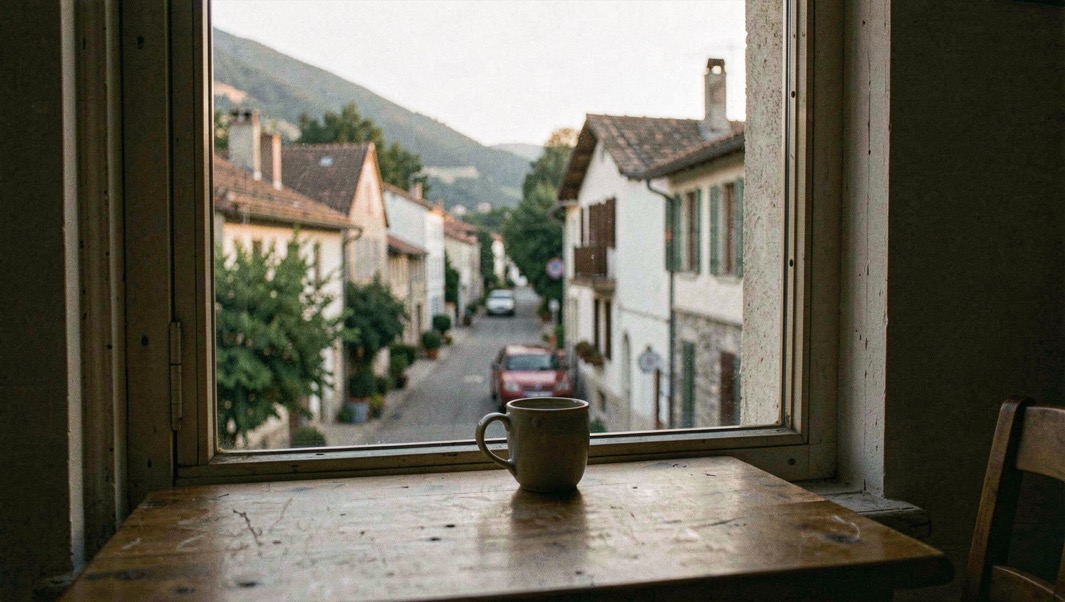
A French-language magazine based in Crissier, in the canton of Vaud, covers the food of that corner of Switzerland: farmhouse cooking, the tables of the western Lausanne area, and the wines of La Cote and Lavaux. It is written for people who live there, for visitors passing through, and for amateur cooks who want the canton's recipes in their own kitchen. The publication is called Les Tournesols Crissier, and its subject is narrow on purpose: one district, its plates, its cellars, its market stalls.
What does a Vaud food magazine actually cover?
The three strands are stated plainly. First, traditional Vaud cooking: papet vaudois, the farmhouse classics, the canton's cheeses, Romand chocolate, autumn ceps and chestnuts. Second, tables and food routes: where to eat in the western Lausanne area, a notebook around Crissier, how the starred guides are read, and a 48-hour itinerary between Crissier and Morges. Third, local wines and producers: pairings built around chasselas, the terraces of Lavaux, the cellars of La Cote, and markets and direct sales in the Gros-de-Vaux.
That is a small geography. Crissier sits just west of Lausanne, and the ground it covers runs from the lake terraces down to Morges and up into the farmland behind. A magazine that stays inside those lines can go deeper than one that ranges across the whole country. The reader gets addresses rather than categories, and a season rather than a list.
Why papet vaudois and chasselas belong together
Papet vaudois is leeks and potatoes cooked down slowly, usually with a sausage on the side, and it is the dish people in Vaud name first when asked what their canton tastes like. It is not a restaurant invention. It comes off farm kitchens and out of the autumn garden, and it is built for a cold room and a long table.
Chasselas is the grape that grows on the terraces above the lake, and it makes a white wine that is quiet rather than loud. The pairing is not a trick. A leek and potato dish with some fat in it wants a wine with acidity and no weight, and chasselas is exactly that. Anyone writing about Vaud food eventually has to write about both, because the cooking and the wine come from the same soil and the same calendar.
The same logic runs through the rest of the canton's table. Cheeses from the alpine pastures and the foothills, chocolate from the Romand factories, ceps and chestnuts in the fall. None of it is exotic. All of it is specific, and specificity is what a regional magazine can offer that a general one cannot.
Where do visitors eat between Crissier and Morges?
The western Lausanne area is not a single dining district. Crissier itself has a long restaurant history and a reputation that reaches well past the canton line. Morges, down the lake, has its own weight: a waterfront, a market, and a set of tables that serve the town rather than the highway.
Between the two, the useful information is practical. Which rooms are open on a Monday. Which ones take a walk-in. Which ones are worth the detour from the lake road and which ones are simply convenient. A 48-hour itinerary across that stretch is a reasonable unit, because it is about the time a visitor actually has, and it forces choices.
The starred guides are part of the picture, but they are not the whole picture. A guide tells you what a kitchen is aiming at. It does not tell you what a Tuesday lunch looks like, or whether the room is loud, or whether the staff will mind a child at the table. Local writing fills that gap, and it is the reason a district-level magazine can be more useful than a national ranking.
What is worth knowing about Lavaux and La Cote wines?
Lavaux is a set of terraces above Lake Geneva, steep enough that the work is done by hand, and it has been recognized as a UNESCO World Heritage cultural landscape since 2007. The terraces are not scenery. They are the reason the wine tastes the way it does: stone walls holding heat, vines angled toward the lake light, and small parcels that cannot be mechanized.
La Cote runs along the same shore to the west, and it is broader and flatter, with more room for larger estates and more variety in what gets planted. Chasselas is still the anchor, but the range widens. For a drinker, the practical difference is that Lavaux gives you intensity from small plots, and La Cote gives you range and easier access.
Cellars in both areas open for tastings, usually by appointment and often on weekends. The Gros-de-Vaux, inland from the lake, is a different proposition again: farmland, direct sales, and producers who sell what they grow rather than what they bottle. Markets in the towns pull all of it together on a single morning.
How do you cook Vaud food away from Vaud?
The honest answer is that some of it travels and some of it does not. Papet vaudois travels well, because leeks and potatoes are everywhere and the technique is patience rather than equipment. Cheese dishes travel if you can find the cheese, which is the real constraint. Chasselas is exported in small quantities, and the bottles that reach other countries are often the more structured ones rather than the everyday ones.
For an amateur cook, the useful approach is to start with the season rather than the recipe. Autumn means ceps and chestnuts, so a chestnut soup or a mushroom dish with a Vaud white is a fair reproduction of what the canton eats in October. Winter means the slow pots. Spring and summer are for the lake fish and the garden, and for the terraces, which is when a bottle of chasselas makes the most sense on a table.
Recipes written for local readers assume local ingredients, and that is a feature rather than a flaw. A cook outside the canton learns what to substitute and what not to. The substitutions are usually obvious. The things that should not be substituted are the ones that carry the place: the cheese, the wine, the timing.
What a district-level food magazine is for
A magazine that covers one district can do something a national publication cannot. It can follow a single market through a year. It can note when a cellar changes hands, or when a kitchen changes its lunch service, or when a producer starts selling direct. It can treat a 48-hour route as a real itinerary rather than a promotional list.
That is the case for reading regional food writing in any country, and it is the case here. The subject is small, the geography is defined, and the reader is assumed to be either living in the area or arriving with limited time. Both readers want the same thing: what is actually on the plate this week, and where it came from.
For anyone following food in the canton of Vaud, the Crissier-based publication is one place that work is being done, in French, at the scale of the district rather than the country. It is a useful counterweight to the guidebook version of Switzerland, which tends to stop at the lake view and move on.