What the Forty-Six High Peaks Really Mean
It started as an optimistic barometer reading in 1925 and became the most patient membership drive in American hiking.
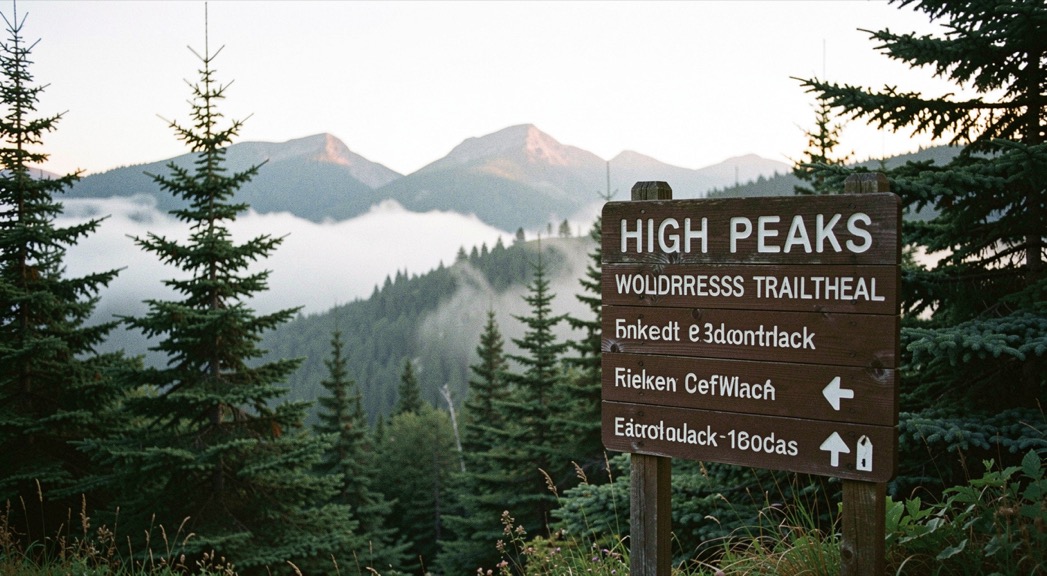
Ask a local what people mean by the Forty Sixers and you will get a list delivered with peculiar reverence. The high peaks of the park sit above four thousand feet by survey, and in the nineteen twenties two brothers, Herbert and Bob Marshall, drew up a roster of forty-six summits they judged tall enough to deserve attention. Surveyors later corrected some elevations, discovering a few listed peaks fell short while unlisted ones rose higher. The corrections stood ignored, deliberately: the list of forty-six had already become the canon, and finishers keep it out of respect for the club that formed around it.
That affection for a flawed document says something useful about the region. This was never engineering rhetoric about conquest; a mortgage lawyer and his friends walked every tall thing their barometers suggested, then invited everyone else. Membership requires simply climbing all of them, though the club asks registrants to wait until their fourteenth birthday to sign the roster, a rule that surprises nobody who has met the kids dragging parents up Marcy.
How a realistic first peak goes
Algonquin from the Adirondak Loj side remains the classic first serious climb, trading off among exposed rock, boreal shade, and a summit cone that always adds two tenths of a mile more than anyone budgeted. Plan the descent math honestly: on the tallest rounds like Marcy, trailhead to trailhead consumes a long hiking day starting before breakfast. Weather rewrites plans faster here than anywhere else in the Northeast; clouds park on the cones with the persistence of tenants who pay rent.
The peaks do not care that you drove six hours. That indifference, mostly, is the therapy.
Trail register margin
Names worth knowing before you go
- Marcy: the states roof at over five thousand feet, busiest, best done in stable July mornings.
- Algonquin: second highest, abrupt approach, first choice among strong beginners.
- Giant and Rocky Peak Ridge: the quieter east side answers for views with less crowd.
- Seward and Seymour: the remote tier, mud, and long woods walks beyond the nursery racks.
Winter aspirants add traction devices and daylight arithmetic to every step, a different sport sharing the same paper. Wherever you enter, brush up on the wildlife habits described in loons and heron watchnotes, keep boots brushed to protect against invasive seeds, and remember the leave-no-trace culture runs deeper here than signboards admit. For planning frames beyond the big list, look at season pacing ideas or take shelter knowledge from winter realities if frost threatens your dates.
The paperwork nobody expected
Finishers discover something odd after peak forty-six: bureaucracy. The club asks for dates, routes and companions for each ascent, transforming six years of marginalia into formal application. Families turn garages into archives of grease-stained registers photocopied as evidence. The requirement sounds officious until you see what it protects: a shared memory system stretching back to the Marshalls original pen-and-ink roster, continued by strangers trusting one another summaries.
That faith extends downward onto the herd paths themselves. Voluntary steward crews rebuild stone staircase weeks each season, funded substantially by the same membership celebrating summits. Trail etiquette here tends sternly practical rather than scolding: yield to uphill traffic, pack out orange peels as religiously as wrappers, and treat registration boxes as weather-report confessionals read nightly by rangers coordinating their searches accordingly.
Choosing companions over credentials
List obsession draws easy mockery until examined closely, then reveals itself chiefly as an excuse for constancy. The peaks supply deadlines without consequences, reasons to keep hiking with decades-old partners through February, and verifiable arithmetic children can finally understand when parents explain the returns. Marathon analogies fail precisely because no finish line exists spectatorside; only parking lots, warm soup somewhere afterward, and a paper certificate whose ink outlasts most gym memberships convincingly.
The Forty-Six is a list for people, but the trails it names are shared with everyone who comes along, including the dogs. Leashes, water sources, wildlife encounters, and winter conditions all change what a day in the High Peaks asks of a handler, and the rules are not uniform across the Forest Preserve. For the practical side of walking a dog upstate, including leashes, trail etiquette, and trip planning around Lake George and the southern Adirondacks, that companion guide covers what the peak list itself does not.
The forty-six carry a history of patient record keeping, and the same habit of writing things down runs through the rest of the region's outdoor life. Hunters and anglers work from a different calendar, one set by migration, weather, and law rather than by a list of summits. For readers who want that side of the Adirondacks and beyond, the opening dates and windows gathered in the field almanac cover dove flight lines, bobwhite coveys, and Nushagak salmon runs, with a desk method for keeping the records straight.